A Parent's Guide to Protecting Your Child's Hearing in the Digital Age
Children's ears are more sensitive than adults'. With tablets, gaming, and online learning, here's how to make sure your kids' hearing stays safe.
SoundAlert Team
SoundAlert
Children Are More Vulnerable
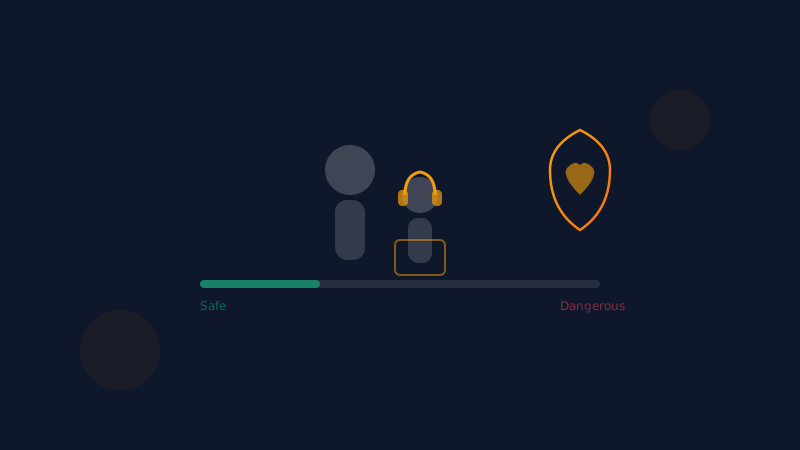
Children's ears are still developing, and the hair cells in their inner ears are more delicate than adults'. This means:
- •Lower volume levels can cause damage in children
- •Shorter exposure times are needed before harm occurs
- •Children are less likely to notice or report hearing discomfort
The WHO recommends that children should never be exposed to sounds above 75 dB — that's significantly lower than the 85 dB limit for adults.
Where the Risks Are
Online Learning
Since 2020, children spend hours daily on video calls and educational platforms with headphones. Many classrooms use audio content that varies in volume, and children don't think to adjust it.
Gaming
Video games are designed to be immersive, which means loud sound effects, music, and voice chat. Many kids play with earbuds that deliver sound directly into the ear canal.
YouTube Kids & Streaming
Even child-friendly content varies wildly in audio levels. A quiet educational video followed by a loud cartoon intro is the same volume rollercoaster adults face on TikTok.
Music
Children who discover music through streaming services often listen for hours with earbuds, just like teenagers and adults.
Warning Signs in Children
Watch for these indicators:
- •Asking "what?" frequently or needing things repeated
- •Turning up the TV or tablet volume higher than usual
- •Complaints of ringing, buzzing, or "fullness" in ears
- •Speaking louder than necessary
- •Not responding when called from another room
- •Difficulty following conversations in noisy environments
Practical Steps for Parents
1. Set Volume Limits
Use SoundAlert on your child's Android device. Set the threshold to 20-25% (lower than you'd set for yourself) and monitor their most-used apps.
2. Choose the Right Headphones
Look for headphones marketed as "volume-limiting" that cap output at 85 dB. For younger children, choose ones that cap at 75 dB.
Over-ear headphones are generally safer than in-ear buds for children.
3. Establish Headphone Rules
- •Maximum 1 hour of continuous headphone use
- •Mandatory breaks between sessions
- •No headphones at bedtime (many kids fall asleep with earbuds in)
- •Use speakers whenever possible at home
4. Lead by Example
Children learn habits from parents. If they see you managing your own volume and taking headphone breaks, they're more likely to do the same.
5. Regular Hearing Checks
Include hearing tests in your child's annual health checkup. Early detection is key — some types of hearing damage can be mitigated if caught early.
SoundAlert for Families
With SoundAlert PRO, you can set it up on your child's device with a lower threshold than your own. The app runs silently in the background — your child won't be annoyed by popups or reminders. The volume simply stays at a safe level.
For families with multiple devices, our LIFETIME plan covers one device permanently with all features unlocked.
The Long Game
Your child's hearing needs to last a lifetime. The habits and protections you put in place now will pay off for decades. A small investment in hearing protection today prevents a lifetime of hearing aids, missed conversations, and reduced quality of life.
Give your kids the gift of healthy hearing. They'll thank you later.
Ready to Protect Your Hearing?
Download SoundAlert for free and start protecting your ears today.
Download Free